The Curator’s Eye: What Media Can Learn from the Museum About Intelligent Curation
Algorithms may reveal patterns, but it takes human imagination to turn those patterns into stories that resonate. An opinion by Ivan Verbesselt.
Algorithms may reveal patterns, but it takes human imagination to turn those patterns into stories that resonate.
An Opinion by Ivan Verbesselt – Chief Strategy & Marketing Officer
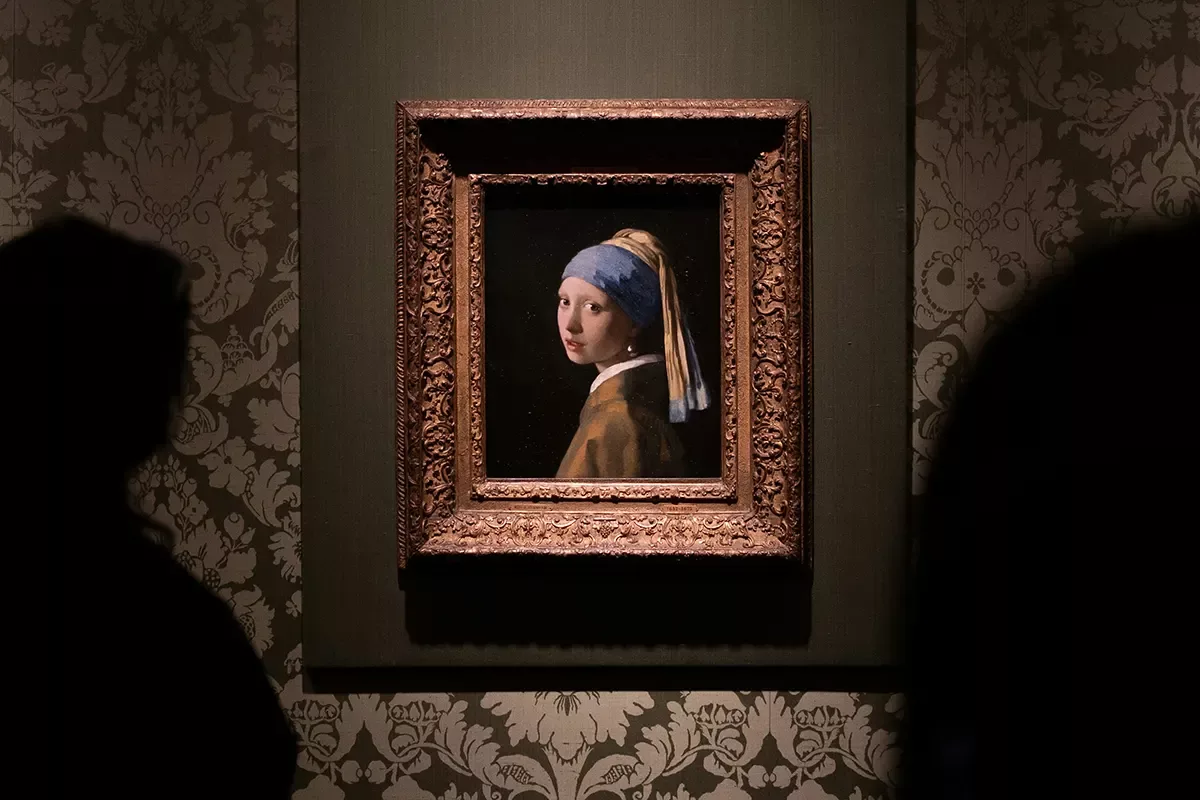
Standing in a gallery of the Rijksmuseum, one can’t help but admire the orchestration behind every wall of art. Each piece has been deliberately chosen and arranged to tell a story, guiding the visitor’s attention, setting a mood, and revealing meaning through contrast and connection.
Behind that choreography lies strategy. The curator doesn’t merely decide what to display; they decide what to acquire, what to withhold, and how to bring the collection to life. In many ways, today’s media organizations face a remarkably similar challenge. They, too, must curate from abundance, selecting, sequencing, and repackaging vast catalogues of content to create engagement and meaning in an age of infinite choice.
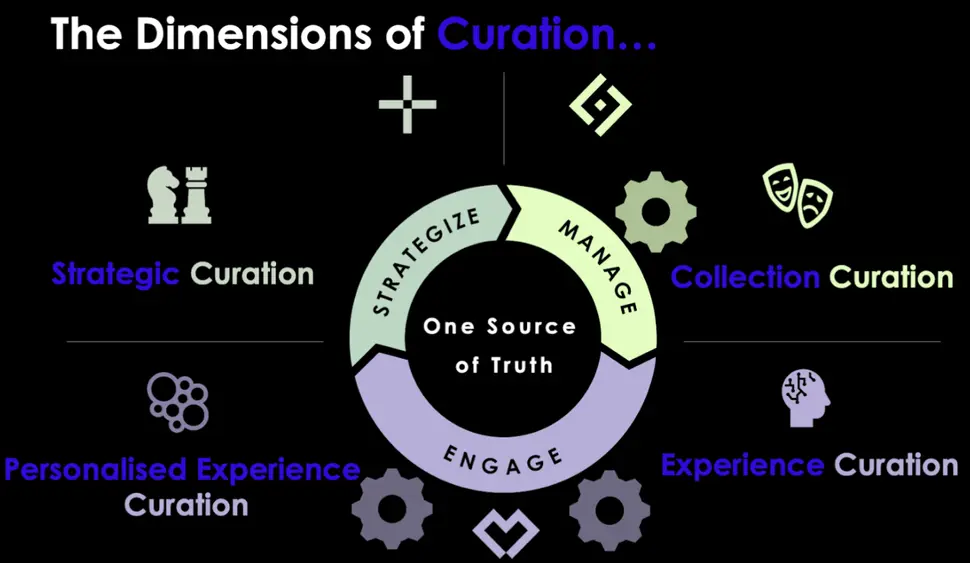
Strategic Curation: Building the Collection
Every museum begins with a vision of what it wants to represent. Decisions about which artists, eras, or styles to feature define its identity. In the same way, media organizations determine what kinds of stories they want to tell, which genres to invest in, and what tone or territory defines their brand. This is strategic curation, or the long-term view that shapes what gets commissioned, acquired, or retired. It’s a portfolio decision informed by both creativity and evidence.
The best curators, in art or in media, look beyond “doing more of what works.” They think about differentiation, the gaps in the landscape, and the opportunities to surprise. Choosing a Van Gogh for a museum next to the Van Gogh Museum, for instance, might not add much value. But acquiring a surrealist work by René Magritte could reframe the collection and intrigue visitors in new ways.
Content strategists can apply the same thinking. Research from Deloitte’s 2024 Digital Media Trends found that 57% of global audiences prioritize a variety of content when choosing a platform. A strong brand doesn’t come from sameness, it’s built by intentional contrast and discovery.
Designing the Exhibition
If strategic curation decides what’s in the vault, tactical curation determines what’s on display. Museums regularly reimagine their existing collections into new exhibitions, revealing fresh connections between familiar works. The same is true for streaming and broadcast media. With vast libraries already in hand, the low-hanging fruit is not always producing more, but revealing better.
Repurposing existing titles into themed collections, nostalgia moments, or cultural spotlights can reignite audience engagement. The challenge lies in discovery. Both curators and media planners can only find what they know to look for. Traditional catalogue search surfaces what’s already top of mind, but misses the hidden gems.
That’s where semantic discovery comes in: systems that detect relationships across themes, tones, and metadata to reveal forgotten works – the equivalent of unearthing a “Salvador Dalí in the basement.” Nielsen’s 2024 State of Play report notes that over 40% of all streaming time still goes to library content, not premieres. The opportunity isn’t only in producing the next big hit, it’s in rediscovering the masterpieces already owned.
Curating the Experience
Curation doesn’t end with selection; it extends into experience design. In a museum, the curator determines the order of exhibits, the pacing, and even the lighting, all subtle cues that shape emotion and attention. In media, this translates to the design of the viewer journey: the sequence of shows, the layout of channels, and the rhythm between ad breaks, promotions, and interstitials.
Museums increasingly design multiple visitor routes or guided tours for children, deep-dive tracks for art historians, or sensory experiences for casual visitors. Media experiences are following suit.
Netflix’s personalization research has shown that optimized ordering of recommendations can increase viewing engagement by up to 20% (Netflix Tech Blog). Context transforms perception. A film placed after a complementary documentary can feel newly relevant; a show introduced through the right preview image can suddenly find its audience. The same piece can tell a different story depending on what surrounds it.
Personalization and the New Gallery Map
Museums increasingly design multiple visitor routes or guided tours for children, deep-dive tracks for art historians, or sensory experiences for casual visitors. Media experiences are following suit. Personalization allows every viewer to navigate their own “exhibit,” surfacing what feels most relevant to them while maintaining a sense of coherence.
A McKinsey study on personalization in media found that personalized recommendations can lift engagement metrics by up to 40%. Yet personalization without purpose risks chaos like an algorithmic gallery with no story. The balance lies in connecting data-driven adaptability with curatorial intent: the art of guiding, not overwhelming.
The Flywheel of Curation
In both art and media, curation runs at two speeds. The strategic flywheel turns slowly, defining long-term direction, budgets, and acquisitions. Attached to it are smaller, faster cogwheels of tactical curation such as daily programming, playlist rotation, and real-time scheduling. When these gears are synchronized, the system becomes self-optimizing.
Audience data continuously feeds insights back into strategy, informing what to commission next and how to evolve the catalogue. According to Accenture’s Future of Broadcast and Streaming 2025, integrating real-time analytics into planning can reduce underperforming content investment by 15–25%. The alignment of strategic vision and tactical agility is what allows a content ecosystem to evolve dynamically, responding to audience behavior without losing its artistic compass.
The Art and Science of Meaning
Ultimately, curation, whether on a gallery wall or a streaming grid, is the act of shaping meaning from abundance. Data alone can’t decide what matters. Algorithms may reveal patterns, but it takes human imagination to turn those patterns into stories that resonate.
The future belongs to those who blend the curator’s eye with the data scientist’s lens and those who treat catalogues not as static warehouses but as living galleries that evolve with every visitor. Whether it’s a painting, a documentary, or a short-form clip, the question is always the same: How do you make someone care enough to stay for one more room, one more episode, one more story?
Originally appeared on TV Technology.
Insights
Get inspired
25 Mar. 2026
Mediagenix Enhances Discovery Experience with New AI Search and Personalization
New semantic metadata enrichment and search capabilities improve discovery, engagement, and catalog utilization.
18 Mar. 2026
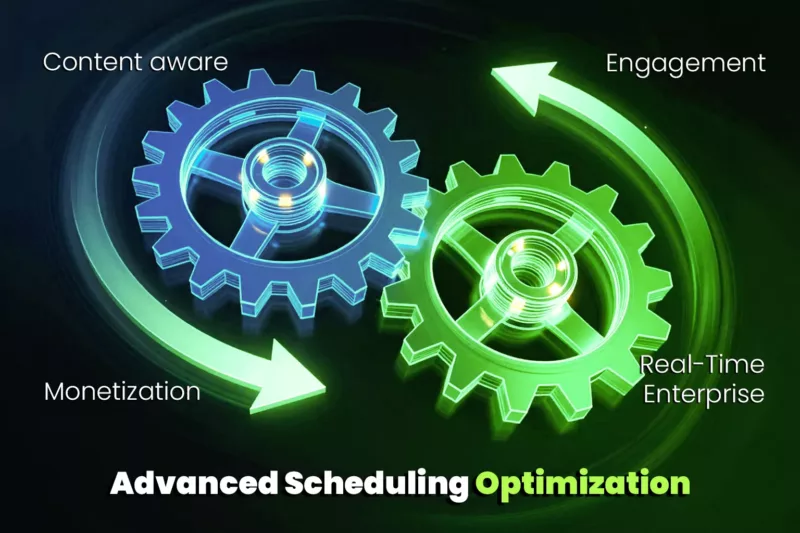
Mediagenix Introduces Advanced Scheduling Optimization to Power Continuous Channel Performance
New capabilities to be introduced combine content intelligence, automation, and performance insights to help broadcasters and FAST operators maximize engagement, efficiency, and channel margin across linear and streaming environments
11 Mar. 2026
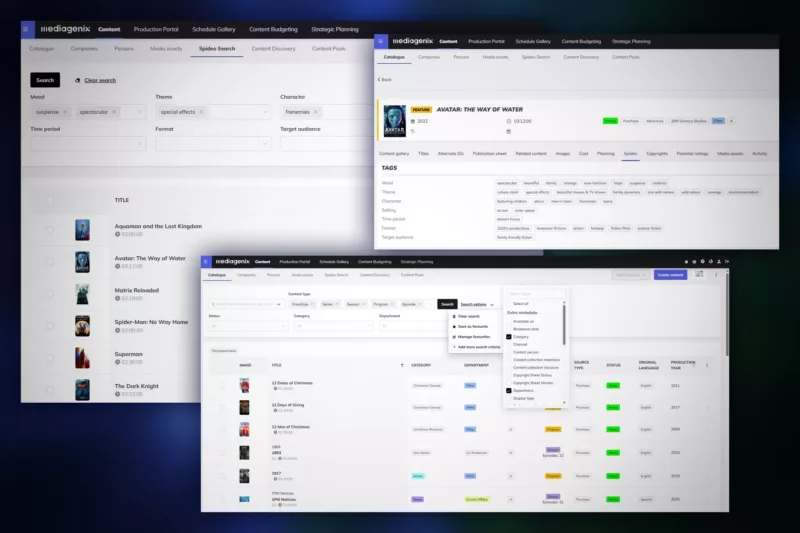
Mediagenix Title Management Accelerates Content Monetization Through Advanced Semantic Intelligence
Transforming title and rights data into actionable intelligence for sales and licensing teams, enabling customers to operationalize agentic AI workflows
09 Mar. 2026
From Metadata to Meaning: Why Semantic Intelligence Is Media’s Next Competitive Advantage
Learn how semantic intelligence transforms metadata into meaning—and meaning into measurable performance across platforms and catalogs.

23 Feb. 2026
The White Box Manifesto: Why VOD Operations Need Transparent Automation
See why transparent automation is the key to scaling VOD operations. Improve accuracy, reduce manual work, and build systems that keep teams in control.