The Schedule That Sees What’s Coming

By Nikias Arts, Product Manager
A schedule can look perfect on paper and still fall flat on the night.
The data might all point the same way. The slot has worked before, the audience profile fits and the title has a track record. But people just don’t choose what to watch based on that. They choose based on what’s going on in their lives and in the world around them.
A big football match, a breaking news story, an election night, a moment everyone’s talking about, even a local event: any of these can change viewing almost overnight. So can everything else competing for attention, like what’s on elsewhere, what’s being promoted heavily, and where people will spend the couple of hours they’ve got.
Anyone who’s worked in scheduling knows the problem. You’re expected to make confident calls weeks or months ahead, knowing full well that things might change before transmission. And by the time a clash is obvious, your best slot is usually already locked in.
So the next step isn’t just optimising harder. It’s seeing more of what’s coming.
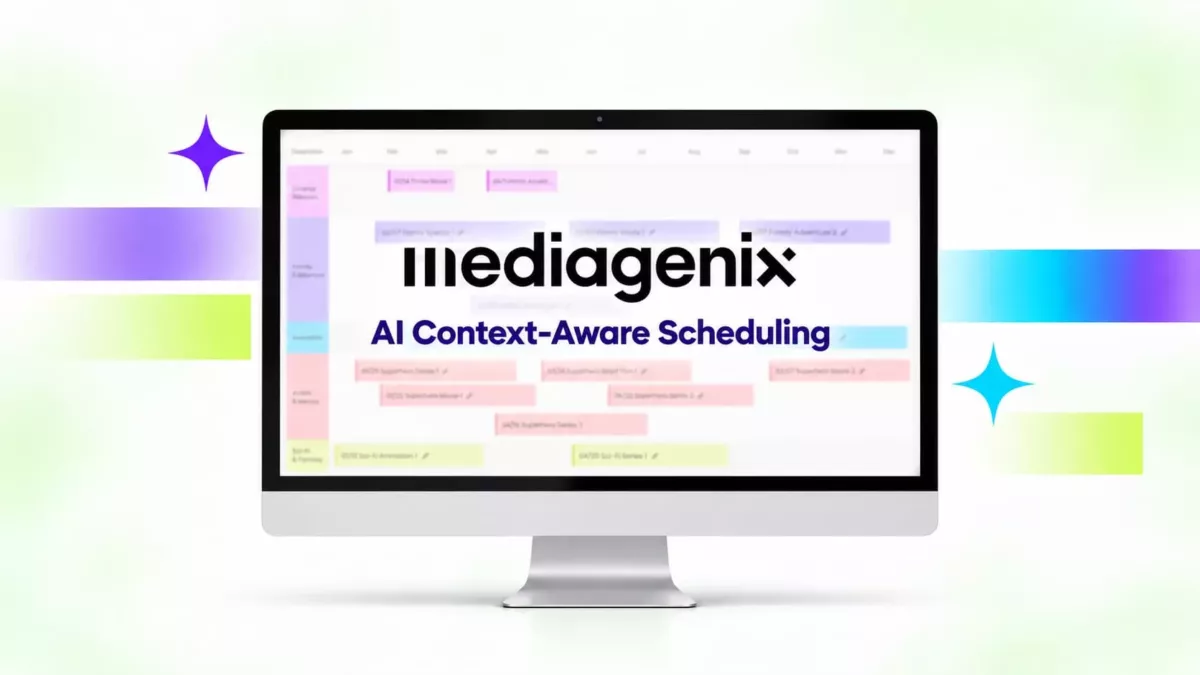
That’s the thinking behind AI Context-Aware Scheduling. It looks at what’s worked in the past and also at what’s likely to affect audiences next. It brings the outside world into the conversation, so teams can spot clashes, catch opportunities and weigh up alternatives before they commit.
Take a big film premiere pencilled in for a Saturday night. On the numbers, it’s a great fit. But if a major live event is going to pull in a lot of the same viewers, it’s worth stepping back. The question isn’t whether the film suits the slot. It’s whether that particular Saturday is the best night to show it.
It works the other way too. An anniversary, a news story, a seasonal moment or something that suddenly takes off online can make a title you already own far more relevant than it was last week. Something that’s been sitting deep in the catalogue can suddenly feel timely. The trick is noticing quickly enough to do something about it.
That’s where knowing your content properly pays off. If you understand your titles in depth, including their themes, genres, tone and who they appeal to, it becomes much easier to connect what’s happening in the world with what you’ve got on the shelf. Add audience insight and some automation, and you get more than a tighter schedule. You get more out of the content you already have.
To be clear, none of this is about letting an algorithm run the channel. Editorial judgement stays at the centre. What AI can do is keep an eye on far more than any team could track by hand, flag what might matter and suggest sensible options.
That matters, because good programming has always been part evidence and part instinct. The best schedulers know when to trust the pattern, when to break it, and when something unexpected deserves a slot. Tools like this don’t replace that judgement. They give it a clearer view.
For broadcasters and streamers, it means less firefighting and more time making considered calls. You can protect the big programming decisions, react well when things change, and build channels that feel in tune with the moment.
Because audiences aren’t watching in a spreadsheet. They’re watching in a world that changes by the hour, and the schedules that keep up with it are the ones that win their attention.
Want to know more? Get in touch.
Insights
Get inspired

09 Sep. 2026
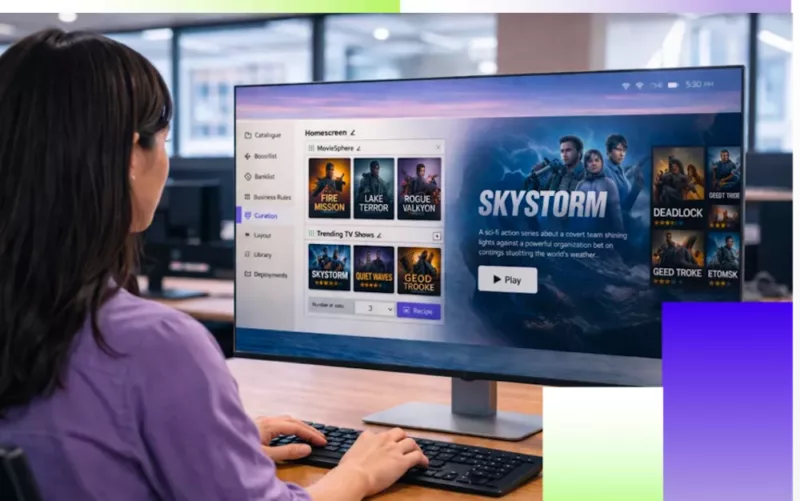
Mediagenix Curation Unlocks Greater Catalog Value Through Personalized Audience Experiences
08 Sep. 2026
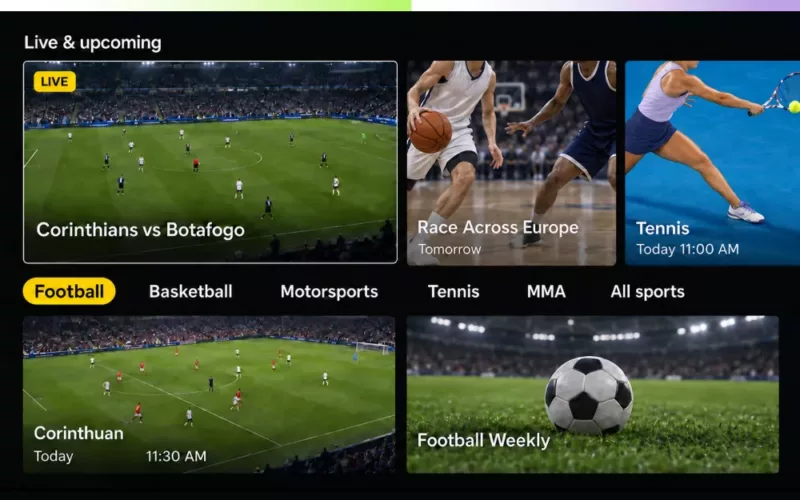
Mediagenix Personalization Curates Sports Content Around Individual Viewer Interests.
06 Aug. 2026
Mediagenix Helps Broadcasters Prepare for Brazil's DTV+ (TV 3.0) Future at SET Expo